
Maintaining a well-balanced personal care routine can be truly helpful in keeping skin and hair in great condition. However, skin care and hair care are only a few chapters of a whole story. It is best to take a holistic approach when it comes to personal care as many other factors and causes outside of our skin and hair care routines are connected with not only the appearance but the wellbeing of our mind and bodies.
In this article; we will focus on two important chapters that may affect skin appearance.

#1 – Beauty Sleep
Sleep serves a key role in the maintenance, restoration and repair process of the entire body, including brain, immune system as well as skin.
Skin follows a circadian rhythm (our body’s internal clock); with defenses against environmental stressors and moisture loss most active during the day then later transitioning to regenerative recovery phase at night.
Asides from visible dullness, dark circles and puffiness around the eyes…
Disrupted sleep cycles and sleep deprivation may contribute to:
- Increased signs of accelerated ageing in skin, hair and nails (including loss of suppleness and elasticity of skin)
- Increased skin dryness or an impaired skin barrier function
- Reduce recovery rate from damage or redness caused by environmental stressors (i.e. UV, pollution, etc)
- May worsen any existing medical skin conditions (e.g. eczema, rosacea, psoriasis, etc).

What happens in the skin during sleep?:
- Increased production of growth-hormones & decrease in stress-related hormones
- Increased blood flow (higher oxygen and nutrient delivery) to skin & all areas of body
- Increased rate of cell proliferation and epidermal skin cell turnover
- Higher rates of DNA repair
- Higher rates of collagen & elastin production
- More active recovery of endogenous antioxidants (antioxidant defense system naturally functioning within our bodies)
- Reinforcement and recovery of skin barrier (albeit higher permeability during this phase)
- Less sebum secretion & higher skin permeability (higher chance of penetration of active ingredients at night)
Enough sleep? How to tell:
- Upon waking up, if there are feelings of freshness and energization, there is likely sufficient sleep.
- Upon waking up – if there are feelings of groginess, disorientation or tiredness; it is likely not enough sleep.
- The exact amount of sleep needed can vary between individuals.
- Generally, 7 to 9 hours of sleep is recommended.
How to fall asleep more easily:

Keep the room cool and dark – these are the optimal conditions for entering deep sleep.

Set a schedule – Going to sleep and waking up at the same time everyday (including weekends) can help set the body’s natural circadian rhythm.

Avoid screen time – at least 1 hour before bedtime. Blue light emitted from device screens and house lights may falsely signal the brain that it is day time and may make us feel more wakeful and less sleepy.

Non-stimulating activities – If there is difficulty falling asleep after 20 mins of trying, doing a low stimulating activity may help keep us relaxed. E.g. reading a physical book, meditation, light stretches, listening to soft audio, etc.

Consult a doctor – for those with chronic difficulty with sleep – it is best to consult a doctor or medical expert to check for potential nutrient deficiencies or underlying medical conditions. Those with magnesium, tryptophan, vitamin B6 and/or vitamin B12 deficiencies in particular may especially experience difficulties with sleep.

#2 – Stress Less
A tiny bit of stress now and then is a healthy and normal part of being alive!
However, prolonged chronic stress can be bad for health, worsen sleep quality and may also negatively affect the condition and appearance of skin.
When our mind and body becomes distressed (by a real or perceived threat), the brain secretes a hormonal cascade that will induce the release of cortisol from adrenal glands into the bloodstream. Cortisol is the primary hormone responsible for regulating our stress response; as well as fulfilling other important roles in regulating metabolism, inflammation, blood pressure, circadian rhythm, etc.
Our living skin cells also have receptors that respond to cortisol. The dose and frequency of cortisol released can significantly vary the effect it has on the body; too much and too little can both be bad.

What may happen to skin/hair with prolonged stress:
- Increased signs inflammation, sensitivity and appearance of redness
- Impaired wound-healing
- Increased oil and sebum secretion on skin (which may exacerbate signs of acne)
- Impaired resistance to infection
- Signs of stress-related temporary/reversible hair-thinning or hair-loss
Few tips that may help with relaxation or may reduce feelings of stress:

Take care of your body – ensure there is a balanced diet (sufficient food and hydration) with sufficient rest, regular sleep (ideally 7 – 9 hrs a night) and regular light exercise (ideally 30 mins a day).

Setting limits and boundaries – If overwhelmed by tasks, projects or commitments, make a list of tasks organizing them in order of importance and/or urgency and complete them within that order. Cut-back on less important tasks. Refrain from accepting more commitments until they become reasonably manageable. Only concentrate on tasks during allocated time (not within personal rest time). Do not be afraid to ask for help or accommodations to schedules when needed. We are human, not machines. Also, setting limits on screentime and doomscrolling is also helpful.

Nurturing a positive mindset – being able to identify positive potential aspects of perceived-problems can help minimise stress. Human brains have a natural tendency to focus on negativity and may lead us to stress more than necessary. Actively practicing gratitude, acceptance and letting go, loving-kindness for oneself and others as well as a positive-growth mindset may help reduce stress.

Minimise stimulant intake – Reduce caffeine and alcohol intake can help decrease stress. Also avoiding smoking can help reduce stress.

Use scents and aromas (including essential oils, fragrances, etc) – Scent can instantly trigger an emotional response along with a memory. Scents we associate with pleasant memories may help improve mood and reduce stress. The exact emotion a scent may trigger can vary depending on the individual’s experience or culture.

Meditation & mindfulness practice – there are many ways to practice. A common meditation technique is simply directing focus onto a singular repetitive action (e.g. breathing-in and breathing-out). Another involves simply paying attention to what is happening within the mind or body in the present moment (i.e. taking note of any thoughts, feelings and sensations as they appear, stay and go). Many types of mindfulness & meditation courses are available in Thailand.

Seek additional help – If overwhelming feelings of stress or despair makes it hard to get through day-to-day life, there is absolutely no shame in seeking help or therapy from a licensed mental health professional! Approximately 1 in 5 adults will experience depression at some point during their lifetime. Health of the mind is interconnected with the health of the body; healing and recovery should always be prioritized.

Other activities that may also help reduce stress – Spa, massage, spending time in nature, music, exercise, cuddling loved ones and pets (excluding fish and insect)
Summary:
When it comes to self-care, it is best to take a holistic approach as all components of our being are interconnected; mind, body and environment (as well as soaps)! Practicing good sleep hygiene and living a balanced life with time for relaxation should not just for the sake of appearances but also for the sake of personal well-being and happiness. Afterall, nothing is more beautiful than a genuine smile!
Disclaimer: It is best to consult a medical professional or doctor for any potential underlying medical conditions, extreme chronic stress or insomnia. Tips provided in the article are simply for general lifestyle guidelines and should not be treated as medical advice.
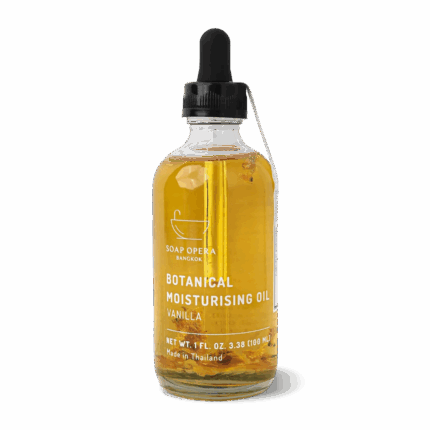
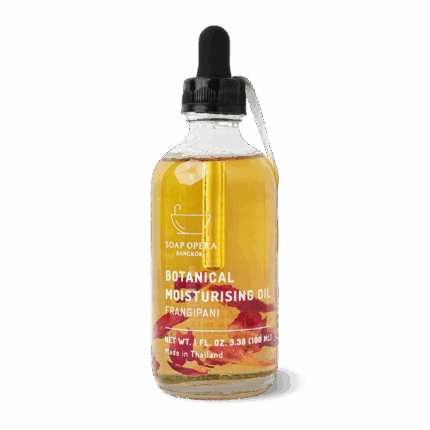
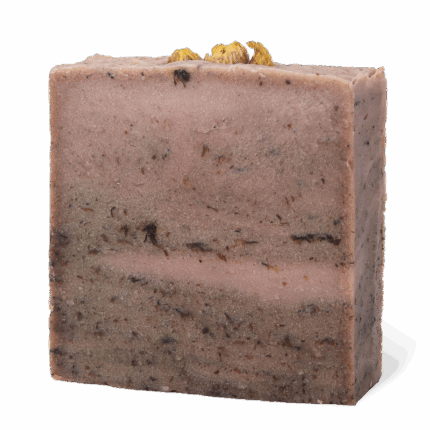
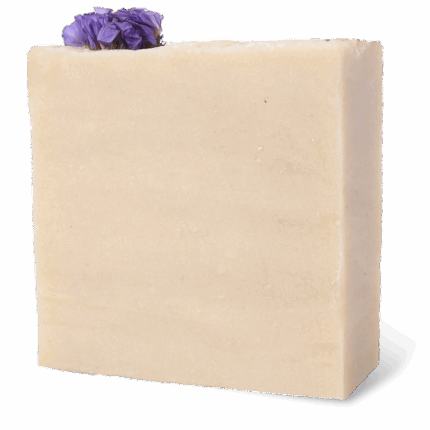
Soap Opera Bangkok offers some products that may help recreate a relaxing atmosphere and spa-like experience at home!
|
100% Naturally-derived Soy Wax blended with essential oils or vanilla fragrance! |
Coated in essential oil (or fragrance in the case of Vanilla & Chrysanthemum), once added to the bath tub, will diffuse into the bathroom with a pleasant scent). Bathing in warm water may also aid in relaxation. |


We do not claim nor guarantee that use of our products can directly reduce signs of stress or improve sleep quality (these are therapeutic claims, not cosmetic claims. Our products are cosmetics).