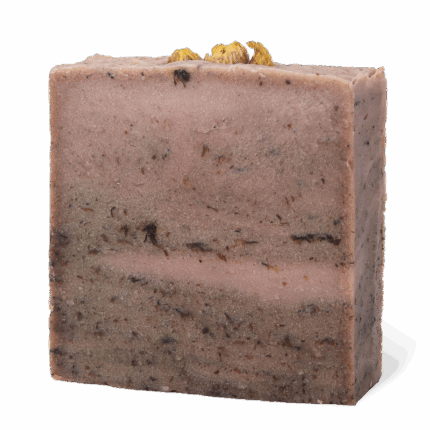


Oily skin types tend to overproduce sebum compared to other skin types! Sebum is the natural mixture of oils secreted from pores (or hair follicles) to coat skin to help with maintaining skin moisture and lubrication. However, excess sebum can lead to clogged pores which may lead to appearance of acne.
Common signs of oily skin include

Feels: Thick, greasy texture on skin
Appears: Shiny & oily
Prone to: Visibly large pores, blackhead & signs of acne
Other signs: Make-up or sunscreen easily slides around
What may contribute to skin oiliness?
Genetics: Main factor contributing to skin oiliness. For example, caucasian skin (e.g. European) tends to be drier (less oily) compared to other ethnicities.
Hormones & Androgen (Masculine hormones) levels:
- Men tend to have consistently oily skin due to consistently higher levels of androgens (e.g. testosterone, DHT)
- Changes in hormones are also a common cause of acne breakouts during puberty or before menstruation
Age: Adolescents & teenagers are more prone to oily skin due to fluctuations in hormones, but tends to become drier with increasing age.
Warmer climates: Skin also tends to temporarily become oilier in warmer, tropical climates, likely because sebum becomes more fluid the warmer temperatures.
Temporary changes in skincare, diet or medication may also temporarily affect skin oiliness.
Sebum is primarily composed of

- Triglycerides (~41%)
- Wax esters (~26%)
- Squalene (~12% of sebum) – this can be oxidised and may cause irritation or worsen acne!
- Cholesterol (~4.5%) – good for skin barrier function and moisturizing
- Tocopherol a.k.a Vitamin E (present in trace amounts but plays a big role) – a natural antioxidant usually obtained from diet and secreted to the surface of skin through sebum to help protect skin and sebum (especially squalene) from oxidizing – (sometimes our skin’s natural Vitamin E alone may not be enough, especially in polluted areas). Oxidized sebum components can cause signs of irritation as well as harden, leading to more clogged pores.
Consider a Clay Mask?

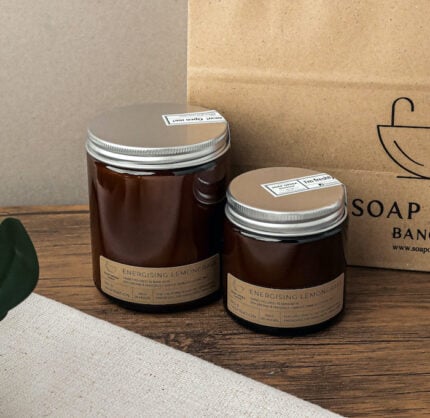
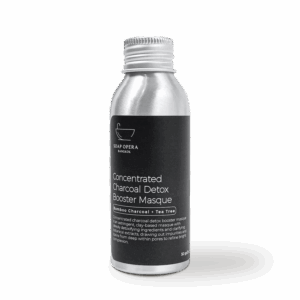
The natural way to control and reduce oiliness is by regularly using clay face masks. Clays (kaolin) and activated charcoal have porous structures, similar to a sponge, to help absorb excess oils and impurities. Using a clay mask and leaving it on skin 5-10 mins before it starts to dry / crack can help mattify the appearance of skin and reduce oiliness, followed by cleansing with a gentle foaming cleanser. Combination, oily & acne prone skin types may benefit from applying clay mask when skin feels oily
Cleansing for oily skin:
Effective, thorough cleansing is very important for oily skin types.
If the skin is oily but not dehydrated or irritated (appearing red or purple), it may appreciate stronger soap-based foaming cleansers without much trouble – especially when living in hot tropical climates. However, for more sensitive skin, switching to a gentler, skin-pH foaming cleanser with more frequent cleansing is recommended instead (e.g. twice a day, morning and night, as well as after sweating).
Foaming cleansers should be gently massaged onto damp skin to be mixed with the excess skin oils before rinsing-out thoroughly with water. This helps ensure proper cleansing and to avoid remaining soap / facewash to reduce chances of the remaining cleanser disrupting skin barrier.
May also benefit from avoiding oil-based cleansers and use to micellar waters for cleansing make-up and sunscreen.
Moisturiser for Oily Skin: Did you know?

- Oily skin can still become dehydrated!
- Oils, like sebum, can moisturize by coating skin to seal in hydration.
- HOWEVER, oils do NOT add water (i.e. hydration) to skin.
- If skin is oily but still feels tight and rough underneath then it is likely dehydrated
- All skin types should moisturize after cleansing!
Moisturizers targeted for oily skin types should ideally:

- Contain more humectants (such as glycerin)
- Contain less oils or be oil-free (e.g. water-based aloe vera gels or contain small % of linoleic acid rich oils)
- Feel non-greasy with light-weight finish
- Claim to be “matte”, “mattefying” & “non-comedogenic”
Skin Care Actives for Oily & Acne Prone Skin:

Niacinamide (Vitamin B3) – multifunctional and beginner friendly skin care active that can help control oiliness (generally considered synthetic but can have naturally-derived portions).
Salicylic acid – exfoliates, unclogs and reduces the appearance of pores and signs of acne! (generally synthetically sourced but can also be found naturally in Salix alba willow bark extract).
Green Tea Extract – Epigallocatechin Gallate (EGCG) is a powerful antioxidant found in green tea with astringent properties to reduce oiliness and minimise appearances of enlarged pores.
Linoleic acid (Omega-6 Fatty Acid) – abundant in many plant seed oils as triglycerides (e.g. safflower oil, grapeseed oil, rosehip oil). Some studies suggest that skin with higher levels of linoleic acid tend to have less signs of acne. Skin sebum with lower levels of linoleic acid (or more oleic acid or squalene) tends to be more sticky, thicker which may cause signs of more clogged-pores.
Retinoids (Vitamin A family) – powerful anti-aging active with sebum-control properties – retinol products may also cause redness so it is generally recommended to start from low % retinol or less frequent application while gradually building up for resistance. Retinol is not recommended for those with sensitive skin or those who are pregnant.
… and many more active ingredients out there that may help reduce signs of oiliness!
Extra skin care tips for oily skin:

Do not touch or pick at the face – this may worsen acne by spreading oil, dirt and bacteria.
Do not sleep wearing make-up or sunscreen – be sure to properly cleanse (once with a make-up/sunscreen cleanser, and once more using a foaming cleanser!).
Best to avoid applying heavy oils, waxes and butters (e.g. coconut oil, lanolin, etc).
Wash hair frequently (6-7 times per week) to help remove sebum build-up on scalp.
Regularly change to a clean pillow-case (weekly, or ideally 2-3 days per week for acne prone or sensitive skin).
Common Skin Care Myth: Rebound oil
A very prominent oily skin care myth is that overcleansing or over-stripping skin of its natural oils will cause a rebound effect, whereby the skin’s sebaceous glands will produce more sebum to compensate for the loss of oils. There is no way for sebaceous glands to detect whether the surface of our skin is oily or dry to maintain equilibrium. What may possibly be happening is that irritation from overcleansing may be triggering the skin to undergo an inflammatory reaction – causing the skin’s stored oils to be released onto the surface. (Credit Michelle Wong)
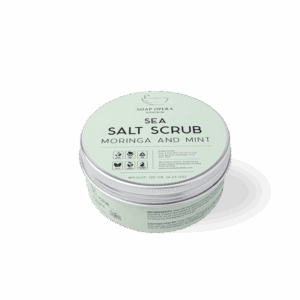
Products we recommend:
|
|
|
Summary:
- Oily skin tends greasier as they produce more sebum. Excess sebum may clog pores and lead to acne
- Oily skin can still become dehydrated – moisturizers for oily skin should have less oils and more humectants (e.g. Glycerin)
- Sufficient cleansing is important – to ensure oil are sufficiently removed without overcleansing the skin
- Clays masks can be a helpful and remove excess sebum before gently cleansing
- There are many skin care actives to help control skin oiliness (e.g. niacinamide, salicylic acid, green tea extract, linoleic acids, retinoids, etc)
We hope these tips may help oily skin feel a little bit easier to manage!